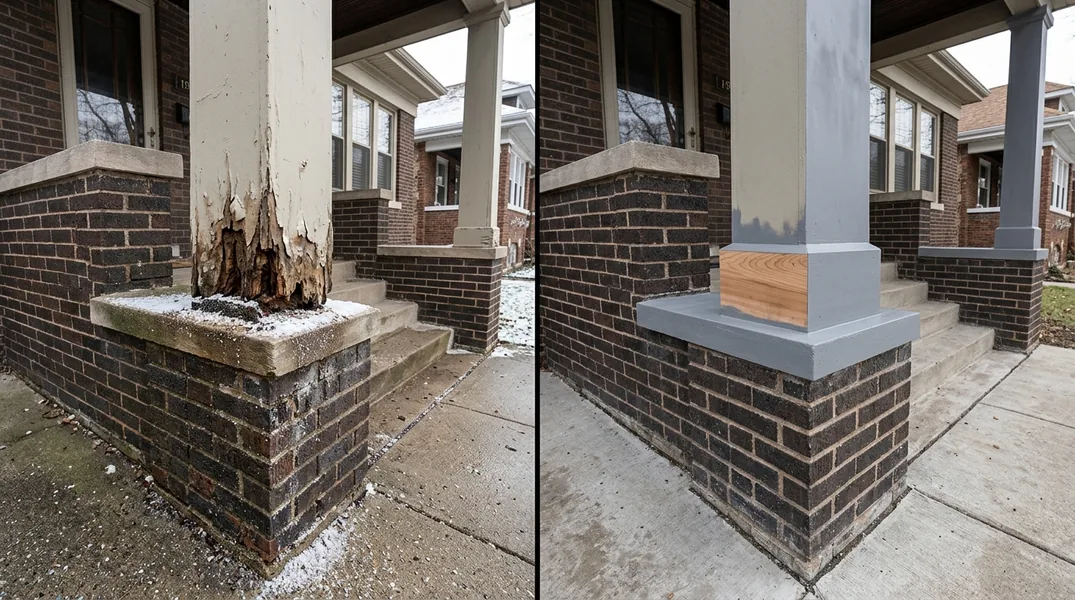
The Case for Preserving Original Wood Windows in Chicago
Chicago's architectural heritage is built on craftsmanship, and nowhere is that more evident than in the original wood windows found throughout the city's historic neighborhoods. From Victorians in Pilsen to brownstones in Lincoln Park, these windows represent decades of character and quality that modern replacements struggle to match. Yet many homeowners face a difficult decision when wood rot appears: repair or replace?
The answer, for most Chicago property owners, is repair. While replacement windows offer convenience, sill repair preserves the original integrity of your home, maintains its resale value, and often costs significantly less. Original wood windows, when properly maintained and repaired, can outlast modern alternatives by decades. The key is addressing rot early and working with experienced craftspeople who understand period-appropriate restoration.
Understanding Window Sill Rot: Causes and Warning Signs
Window sills are among the most vulnerable parts of any home's exterior. They bear the brunt of weather exposure, collecting water and debris that create ideal conditions for wood rot to develop. In Chicago's climate, where freeze-thaw cycles are common and humidity fluctuates seasonally, window sills face constant stress. When water infiltrates the wood and isn't properly drained, fungal decay begins, gradually weakening the structural integrity of the frame.
The early signs of window sill rot are often subtle but unmistakable once you know what to look for. Soft spots that yield to gentle pressure, discoloration or darkening of the wood, peeling paint, and visible gaps between the sill and frame are all red flags. You might notice that windows stick or don't close properly, or drafts develop where none existed before. Some homeowners detect a musty smell near affected windows. The longer rot goes untreated, the more expensive the eventual repair becomes, as decay spreads to adjacent framing and structural components. This is why prompt Wood Rot & Dry Rot Repair is essential.
Window Sill Replacement vs. Rotted Window Frame Repair: Why Repair Wins
When homeowners discover window sill rot, their first instinct is often to replace the entire window. Replacement certainly seems simpler: remove the old, install the new, and move on. However, this approach overlooks several critical advantages of targeted sill repair. Modern replacement windows, while energy-efficient, rarely match the proportions, muntins, or aesthetic qualities of original windows. In historic Chicago neighborhoods, replacing original windows can actually diminish property value and violate local historic preservation guidelines.
Rotted window frame repair, by contrast, preserves the original window while addressing the underlying problem. A skilled carpenter can remove the damaged sill section, treat any remaining wood to prevent future rot, and install carefully matched replacement wood that blends seamlessly with the existing frame. The repair process typically takes a fraction of the time required for full window replacement, costs significantly less, and maintains the authentic character of your home. For most situations, epoxy wood fillers and strategic sill replacement can extend the life of an original window by another 50 to 100 years when combined with proper maintenance and drainage improvements.
The Wood Sill Repair Process: What to Expect
Understanding what happens during a professional window sill repair can help you feel confident in the process. The first step is a thorough inspection to assess the extent of rot. Does the damage affect only the surface, or has it penetrated deep into the wood structure? Has rot spread to the frame, jambs, or sill horns? This evaluation determines whether a simple repair will suffice or whether more extensive work is needed. Once the scope is clear, the carpenter carefully removes the damaged wood, using hand tools to avoid disturbing surrounding areas or the glass panes.
After removing rot, the next phase involves treating the remaining wood with wood hardener or fungicide to halt decay and prevent recurrence. If the structural integrity of the sill is compromised, damaged sections are replaced with new wood that matches the original species, grain, and finish as closely as possible. Modern epoxy fillers can also be used for smaller areas, creating a seamless repair that accepts paint or stain. Finally, the repaired sill is sealed and painted to protect against future water infiltration. Throughout this process, proper drainage is restored or improved, often by adjusting the sill slope or adding gutters and downspouts to direct water away from the window. This comprehensive approach addresses not just the visible rot, but the conditions that caused it in the first place.
Window Sill Rot Repair Cost in Chicago: What to Budget
The pricing for window sill rot repair varies depending on the extent of damage, the number of windows affected, and the complexity of the work. A single window with surface-level rot affecting only the sill might cost between 400 and 800 dollars to repair properly. If rot has penetrated deeper or spread to the frame and jambs, you should expect to budget 1,000 to 2,500 dollars per window. Multiple windows or severe structural compromise can increase costs further. However, even at the higher end of this range, sill repair typically costs 50 to 70 percent less than replacing the entire window with a modern unit.
Beyond the immediate repair cost, consider the long-term value. A properly executed sill repair, combined with improved drainage and maintenance, can extend your original window's life for decades. Factor in that replacement windows often need service or adjustment within 10 to 15 years, and the true savings of repair become evident. Chicago Carpentry offers a free estimate so you can understand the exact scope and cost of your specific situation before committing to work. We recommend getting multiple quotes from experienced carpenters to ensure fair pricing and quality craftsmanship.
Preventing Future Window Sill Rot: Maintenance Tips for Chicago Homeowners
Once your window sills have been repaired, protecting them from future rot is straightforward but essential. Paint is your first line of defense, creating a moisture barrier that prevents water from penetrating the wood. Check painted sills annually and touch up any chips or peeling areas promptly. If your windows are stained rather than painted, apply a quality exterior wood stain every 3 to 5 years to maintain protection. Beyond cosmetic upkeep, ensure that gutters and downspouts are clean and functioning properly, directing rainwater away from your home's foundation and walls. Clogged gutters cause water to overflow and cascade down the exterior, soaking window frames and sills.
Proper ventilation and humidity control inside your home also play a role in preventing rot. Bathrooms and kitchens generate moisture that can condense on windows, especially during winter. Use exhaust fans during and after showers, and wipe down windows if condensation builds up. Ensure that your home's interior humidity stays between 30 and 50 percent. Finally, inspect your windows twice a year, in spring and fall, looking for soft spots, discoloration, or gaps that might signal early rot. Catching problems early allows for simpler, less expensive repairs. If you notice signs of trouble, contact Chicago Carpentry at (312) 685-4329 to schedule an inspection. Early intervention can save you thousands of dollars and preserve the beauty of your original windows for generations to come.
Looking for a professional carpentry contractor in Chicago? Chicago Carpentry responds fast for all your carpentry needs.
Get a Free QuoteOur services: Wood Rot & Dry Rot Repair · Termite Damage Repair · Floor Joist & Subfloor Repair