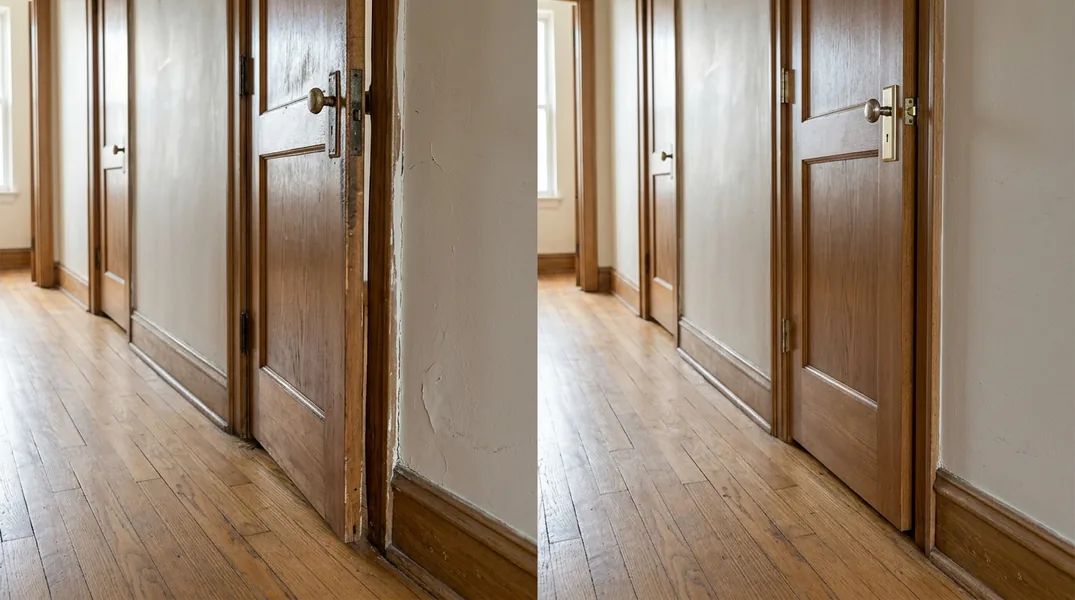
Understanding Wood Rot: Repair vs. Replace
When you discover rotted wood in your Chicago home, your first instinct might be to panic. But before you assume the worst, it's important to understand that not all wood rot requires complete replacement. The decision to repair or replace depends on several factors: the extent of the damage, the location of the affected wood, the structural importance of the piece, and your budget.
Wood rot develops when wood is exposed to moisture for extended periods, allowing fungi to break down the wood's cellular structure. In Chicago's humid summers and freeze-thaw winters, this is a common problem for homeowners. The good news is that if caught early, many cases of wood rot can be successfully repaired without replacing the entire structural member. However, if the rot has penetrated deep into load-bearing elements or has compromised more than 30 percent of the wood's cross-section, replacement becomes the safer and more cost-effective option.
When You Can Repair Rotted Wood Without Replacing
Surface-level wood rot is often a candidate for repair rather than replacement. If the damage is confined to the outer layers of wood and hasn't spread into the structural core, epoxy-based wood fillers and consolidants can restore the wood's integrity. This approach works particularly well for decorative trim, window frames, door jambs, and fascia boards where the wood isn't bearing significant loads.
The repair process typically involves removing the soft, rotted material, treating the area with a wood preservative to prevent future fungal growth, and then filling the void with a high-quality epoxy or polyester filler. Once cured, the filled area can be sanded, stained, and painted to match the surrounding wood. This method is significantly less expensive than replacement and can extend the life of the wood by many years. Wood Rot & Dry Rot Repair specialists can assess whether your specific situation qualifies for this approach.
Another scenario where repair makes sense is when rot is limited to a small section of a larger board. For instance, if only a corner of your deck's rim joist is affected, a skilled carpenter can often cut out the damaged section and splice in a new piece of pressure-treated wood, preserving the rest of the structure. This targeted approach saves money while maintaining structural soundness.
When Full Replacement Is Necessary
Full replacement becomes essential when wood rot has penetrated into load-bearing structural members. Floor Joist & Subfloor Repair is a prime example where replacement is often the only safe option. If your floor joists show signs of extensive rot, attempting to patch them with epoxy could create a false sense of security while the structure continues to weaken. Similarly, if rot has affected the main beam supporting your home's weight, replacement is non-negotiable for safety reasons.
Another situation requiring replacement is when rot has spread extensively throughout a single board or across multiple connected members. If more than 30 percent of a structural element's thickness is compromised, the wood has lost too much of its load-bearing capacity to be safely repaired. In these cases, the cost of a repair that might fail is far greater than the cost of proper replacement.
Siding replacement also becomes necessary when rot has affected multiple boards or has penetrated behind the surface in ways that suggest moisture has been trapped for an extended period. Attempting to patch rotted siding often leads to recurring problems because the underlying moisture issue persists. Complete replacement of the affected section, combined with addressing the moisture source, provides a lasting solution.
Termite Damage vs. Wood Rot: Different Repairs
Termite Damage Repair requires a different approach than fungal wood rot because termites actively consume wood as they tunnel through it. While wood rot weakens the structural integrity through decay, termite damage creates galleries and voids that can be equally devastating. The challenge with termite damage is that it's often hidden behind paint, siding, or in wall cavities, making it easy to underestimate the extent of the problem.
If you discover termite damage, the first step is to eliminate the termite colony, typically through professional pest control treatment. Only after the infestation is confirmed eliminated should you proceed with repairs. Because termites can cause damage to spread quickly and unpredictably, larger areas of termite-damaged wood often require replacement rather than repair. A carpenter needs to assess not just the visible damage but also probe adjacent areas to determine whether the damage is localized or systemic.
Wood Rot & Dry Rot Repair Cost in Chicago: What to Budget
The pricing for wood rot repair varies dramatically based on the scope of damage and whether you're repairing or replacing. A small repair using epoxy filler on decorative trim might cost between $150 and $500, while replacing a section of fascia or soffit could range from $800 to $2,500 depending on the materials and accessibility. Full structural repairs, such as Floor Joist & Subfloor Repair, typically cost between $2,000 and $8,000 or more, depending on how many joists need attention and whether additional structural support is required during the repair.
Replacing rotted wood siding presents its own cost considerations. A small section of siding replacement might run $500 to $1,500, while replacing an entire wall's worth of siding could exceed $5,000 to $10,000. The exact cost depends on the siding material, the size of the affected area, whether the underlying structure is also damaged, and local labor rates in your area. In Chicago, where freeze-thaw cycles and moisture are constant challenges, many homeowners find themselves dealing with recurring siding issues if the underlying moisture problem isn't addressed.
The most cost-effective approach is always early detection and prompt repair. Waiting until wood rot spreads extensively or until structural members are compromised will ultimately cost you far more. If you're concerned about wood rot in your home, getting a professional assessment now can save thousands in future repairs. Chicago Carpentry offers a free estimate to help you understand your options and budget accordingly.
Making the Repair vs. Replace Decision: A Practical Framework
To decide whether to repair or replace, start by asking these questions: Is this wood structural or decorative? How extensive is the rot? Is the wood still accessible, or would replacement require significant labor? What's the age and condition of the surrounding wood? If the rotted wood is decorative, surface-level, and easily accessible, repair is usually the right choice. If it's structural, deeply compromised, or part of a larger area showing signs of moisture problems, replacement is typically safer and more cost-effective long-term.
Location matters too. Rot in a basement rim joist is more concerning than rot in an attic soffit because basement moisture tends to be chronic rather than occasional. Similarly, rot in an area that's difficult to inspect regularly (like inside wall cavities) warrants replacement to prevent hidden deterioration. Rot in a visible, easily monitored location like exterior trim can often be repaired and then watched for recurrence.
The moisture source is equally important. If you can identify and eliminate what's causing the moisture (poor drainage, a roof leak, plumbing issue, or inadequate ventilation), repair becomes more viable because you're addressing the root cause. If the moisture source is ongoing or difficult to control, replacement combined with moisture mitigation is the smarter investment. When you're ready to make a decision, the team at Chicago Carpentry can evaluate your specific situation. Call (312) 685-4329 or request a free estimate to get professional guidance tailored to your home's needs.
Looking for a professional carpentry contractor in Chicago? Chicago Carpentry responds fast for all your carpentry needs.
Get a Free QuoteOur services: Wood Rot & Dry Rot Repair · Termite Damage Repair · Floor Joist & Subfloor Repair