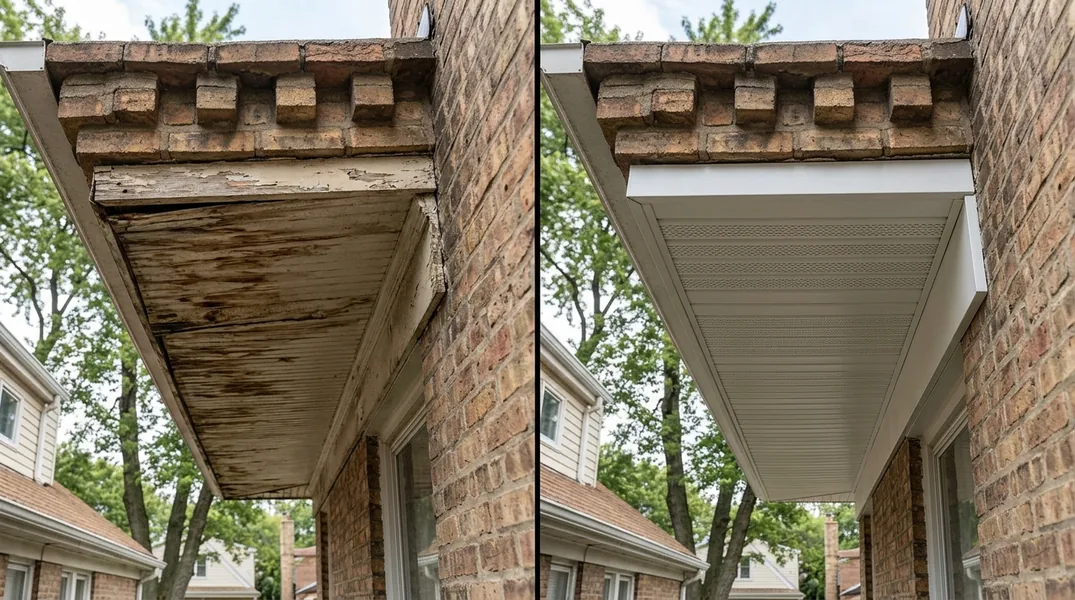
Why Chicago's Historic Homes Demand Special Wood Care
If you own a Chicago bungalow or greystone, you're steward of architectural history. These homes, many built between 1900 and 1940, were constructed with solid wood framing and often feature original wood siding, trim, and structural elements that have survived a century of Midwest winters. But that longevity comes with a responsibility: understanding how Chicago's freeze-thaw cycles, humidity swings, and aging infrastructure affect your home's wooden bones.
The honest truth is that wood in older homes is under constant stress. Winter temperatures drop below freezing for months, moisture enters through cracks and worn caulk, and spring thaw pushes water deeper into wood fibers. Unlike newer homes built with pressure-treated lumber and modern moisture barriers, vintage bungalows and greystones rely on paint, caulk, and proper drainage to keep wood dry. Neglect these details, and wood rot becomes inevitable. The good news is that understanding the enemy puts you ahead of most homeowners.
Recognizing Wood Rot and Dry Rot: What to Look For
Wood Rot & Dry Rot Repair starts with early detection. Many homeowners don't realize they have a problem until structural damage is advanced and costly. Wood rot typically appears as soft, spongy wood that darkens in color, often near the base of exterior walls, around windows, or where siding meets foundation. If you press a screwdriver into suspect wood and it sinks in easily, that's a red flag. Dry rot, despite its name, is actually caused by moisture and fungi that break down wood fibers, leaving behind a crumbly, brittle texture.
In bungalows and greystones, pay special attention to areas where wood meets masonry. The brick and stone exteriors of greystones can trap moisture against the wood frame behind them. Similarly, bungalow wood siding, especially on north-facing walls that receive less sun, stays damp longer and becomes vulnerable. Check the underside of roof overhangs, the trim around basement windows, and anywhere caulk has cracked or paint is peeling. These aren't just cosmetic issues; they're invitations for water infiltration. If you notice soft spots, discoloration, or a musty smell in your basement or crawl space, schedule a professional inspection immediately.
Seasonal Wood Maintenance for Chicago Homes
The best defense against wood rot is a consistent seasonal maintenance routine. In spring, after the snow melts and temperatures stabilize, walk the exterior of your home with a critical eye. Look for winter damage: cracked caulk around windows and doors, paint bubbling or peeling, and any visible gaps where water could enter. This is the time to re-caulk, repaint, and repair loose siding. Don't wait until summer; spring repairs prevent water from entering during the season when your home is most exposed to rain.
Summer brings humidity and occasional heavy rain. Ensure your gutters and downspouts are clean and directing water at least 4-6 feet away from your foundation. Clogged gutters cause water to back up and pool along the roofline and siding, creating perfect conditions for rot. Check that your grading slopes away from the house; standing water against the foundation is a slow-motion disaster. In fall, before winter arrives, inspect your roof for missing or damaged shingles, seal any cracks in exterior caulk, and trim tree branches that overhang your roof. Winter itself is the hardest season: freeze-thaw cycles work relentlessly to open cracks and push water deeper into wood. The maintenance you do in spring, summer, and fall determines how well your home survives winter.
Wood Siding Repair and Greystone Masonry Considerations
Wood siding repair in Chicago isn't just about aesthetics. Damaged or deteriorating siding compromises your home's weather envelope, allowing moisture to reach the wood framing underneath. Bungalows often feature original wood siding that, while charming, requires more maintenance than modern alternatives. Greystones present a different challenge: their masonry exterior can hide significant water problems. Moisture wicks through mortar joints and brick into the wood frame, where it remains hidden until structural damage is advanced.
If your bungalow has original wood siding, budget for periodic repainting every 5-7 years, depending on exposure and sun. Don't skip this step thinking it's cosmetic; paint is your wood's primary defense against moisture. For greystones, have the mortar joints inspected regularly. Deteriorating mortar allows water penetration, which travels backward into the wood structure. Repointing (replacing deteriorated mortar) is expensive but necessary. Some homeowners consider replacing wood siding with fiber cement or vinyl, which requires less maintenance. Whatever you choose, ensure proper installation with adequate moisture barriers and ventilation behind the new material.
When to Call a Professional: Structural Wood Damage
Some wood problems are DIY territory; others demand professional expertise. If you suspect rot has reached structural elements like beams, floor joists, or the wood frame itself, don't delay. Floor Joist & Subfloor Repair and Beam Replacement & Load-Bearing Wall Removal are specialized jobs that require engineering knowledge, permits, and professional-grade equipment. A rotted floor joist isn't just a safety hazard; it can compromise your entire home's structural integrity. Similarly, if you notice sagging floors, cracked plaster, or doors that no longer close properly, these are signs that wood damage may be affecting your home's frame.
Chicago Carpentry serves homeowners throughout Chicago who face these challenging repairs. The cost of professional intervention now is far less than the cost of ignoring structural damage. If you're unsure whether your wood damage is surface-level or structural, get a free estimate from a qualified carpenter. A professional inspection takes the guesswork out of the equation and gives you a clear repair plan.
Historic Home Maintenance in Chicago: A Long-Term Investment
Owning a bungalow or greystone in Chicago is a commitment to preservation. These homes have survived over a century because their owners maintained them, even when maintenance felt tedious or expensive. The alternative, deferred maintenance, leads to exponential costs. A small area of siding rot, ignored for five years, becomes a large structural problem. A cracked caulk joint, left unrepaired, allows water to penetrate deeper each season. The goal isn't perfection; it's consistency and attention.
Think of wood maintenance as an investment in your home's future. Regular seasonal inspections, timely repairs, and professional help when needed protect your property value and preserve the character that makes these homes special. If you're facing wood damage, uncertainty about repair options, or simply want professional guidance on maintaining your historic home, Chicago Carpentry is here to help. Call (312) 685-4329 today to discuss your home's specific needs, or request a free estimate and let's create a maintenance plan that keeps your Chicago bungalow or greystone sound for decades to come.
Looking for a professional carpentry contractor in Chicago? Chicago Carpentry responds fast for all your carpentry needs.
Get a Free QuoteOur services: Wood Rot & Dry Rot Repair · Termite Damage Repair · Floor Joist & Subfloor Repair